

IPL vs Chemical Peel for Dark Spots: Which Is Better?

Dark spots can develop for many reasons, including sun exposure, acne marks, inflammation, hormonal changes, and the natural aging process. Because pigmentation does not look the same in every person, the treatment that works well for one skin concern may not be the right choice for another. Two commonly discussed options are intense pulsed light…
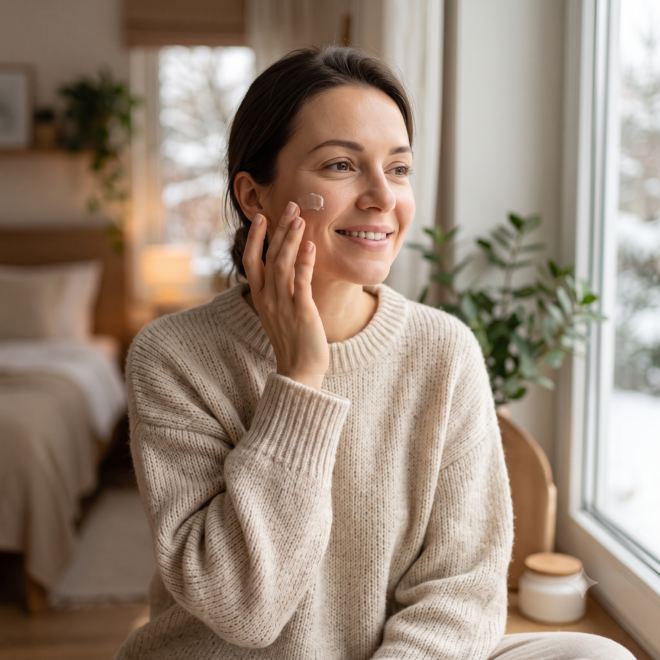

How to Treat Dehydrated Skin in Winter: A Dermatology Guide

Winter can leave your skin feeling tight, rough, dull, flaky, or unusually sensitive. Cold outdoor air, indoor heating, hot showers, and changes in your skin-care routine can all contribute to moisture loss. Understanding how to treat dehydrated skin in winter starts with recognizing that dehydration and dryness are related, but they are not exactly the…

How to Prevent Skin Discoloration After Acne or Injury

Acne may disappear, but the marks it leaves behind can sometimes stay much longer. The same can happen after a cut, scrape, burn, irritation, or another skin injury. If the area becomes darker after healing, you may be dealing with post-inflammatory hyperpigmentation, a common type of discoloration that develops after inflammation or injury to the…

Microneedling for Fine Lines Around the Mouth

Can It Improve Perioral Wrinkles? Fine lines around the mouth can become noticeable with age, repeated facial movement, sun exposure, and changes in skin structure. These lines are often called perioral wrinkles or vertical lip lines. If you are researching microneedling for wrinkles around mouth, you may be wondering whether it can actually improve this…

Chemical Peels After Summer: When Is the Right Time to Start?

After months of sun, heat, and outdoor activity, your skin may look a little different. Dark spots may appear more noticeable. Texture can feel rougher, and the complexion may look uneven or dull. This is one reason many people consider a chemical peel after summer. Chemical peels are skin resurfacing treatments that remove damaged surface…