PRP / PRF Therapy
Platelet-based scalp injections from your own blood
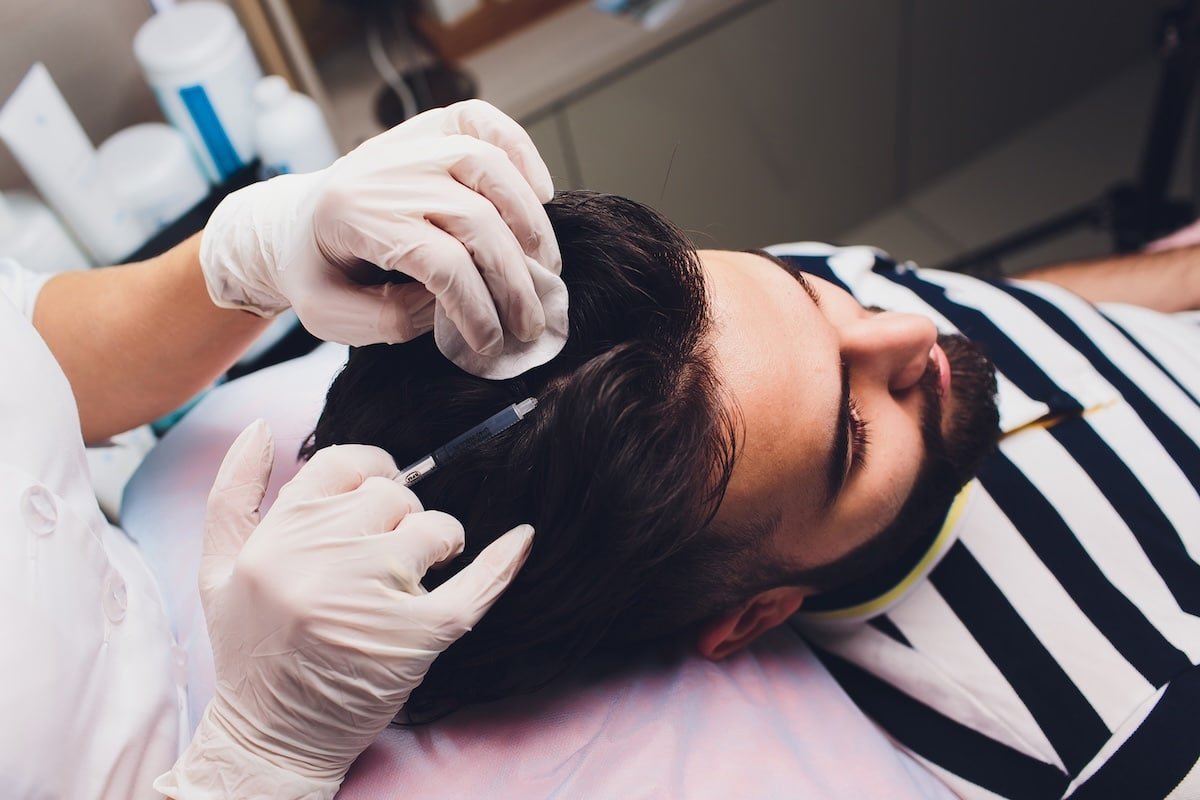
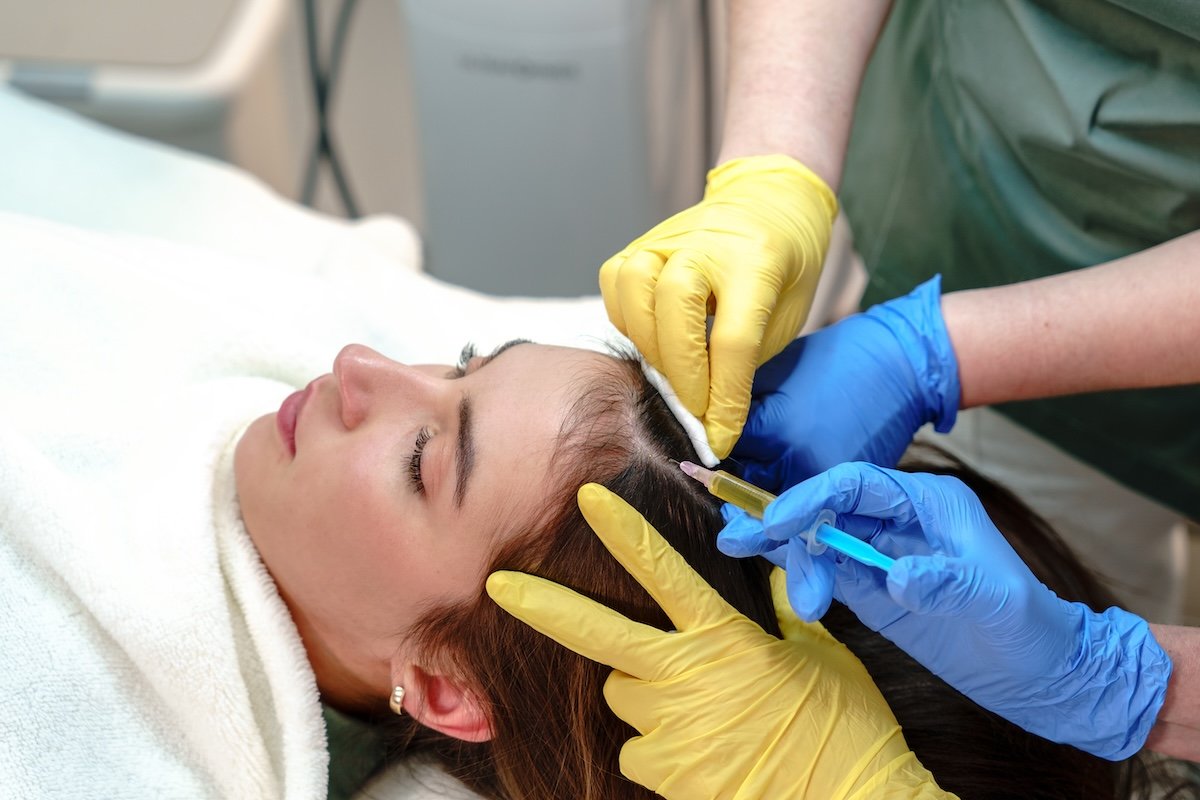
Platelet-rich plasma and platelet-rich fibrin use growth factors from your own blood to support hair follicles, improve the scalp environment, and help slow the progression of thinning in appropriate candidates. A small blood draw is processed, then the platelet concentrate is injected into targeted areas of the scalp.
- Typical series: several initial sessions about 4 to 6 weeks apart, then maintenance every few months
- Best for: early to moderate pattern hair loss, increased shedding, and support before or after a transplant
- Timeline: reduced shedding within 1 to 2 months for some patients; density changes typically take 3 to 6 months
- Note: PRP is used widely for hair restoration and should not be described as FDA-approved for hair regrowth
Microneedling / Scalp Stimulation
Controlled microchannels that support the scalp's healing response
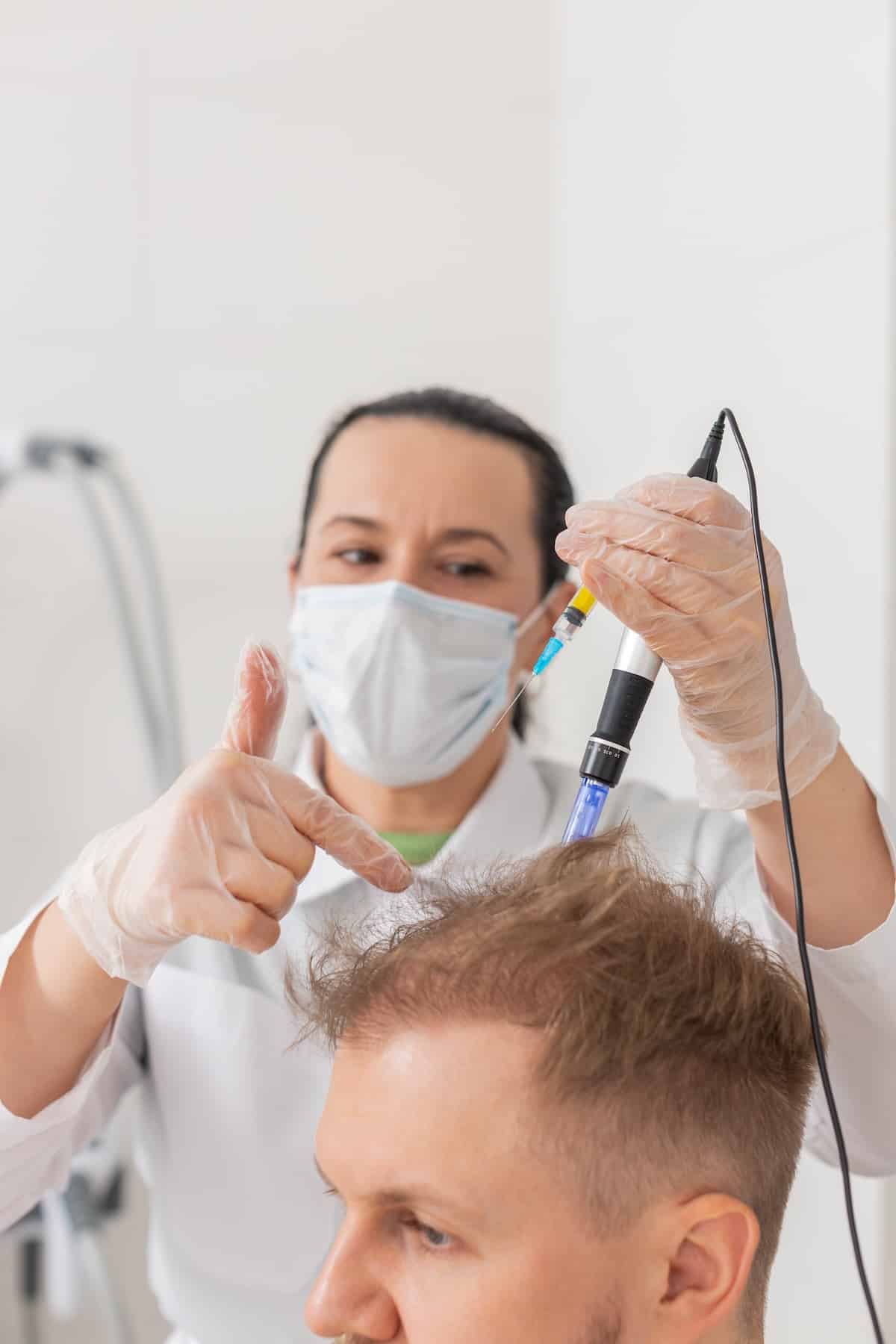
Microneedling creates tiny, controlled microchannels in the scalp to stimulate the body's natural healing pathways and may improve how well topical therapies penetrate. It is often combined with platelet-based treatments or topical hair-growth medications for a stronger combined effect.
- Typical series: an initial series roughly every 4 to 6 weeks, then periodic maintenance
- May support: thicker hair shafts, better topical delivery, and the response from PRP/PRF
- Aftercare: keep the scalp clean, avoid heavy sweating and swimming briefly, and follow provider instructions
Low-Level Light Therapy (LLLT / LED)
Non-invasive red-light support for hair follicles
Low-level light therapy, also called photobiomodulation, uses low-intensity red light to support healthier hair follicles. It is non-invasive with no downtime, and certain devices are FDA-cleared for pattern hair loss. LLLT works best as part of a combination plan, and consistency matters more than occasional longer sessions.
- In-office: typically 15 to 20 minute sessions over several weeks, often 1 to 2 times per week
- Best results: when combined with topical therapy, PRP/PRF, or other comprehensive care
- Timeline: most patients need at least 3 to 6 months of consistent use before noticeable change
Growth-Factor / Exosome-Style Support
Adjunctive regenerative scalp support, used with care
Some regenerative practices offer cell-free, growth-factor-based scalp treatments intended to support the scalp environment and complement established therapies. At PURE, these are offered only where appropriate and compliant, with clear informed consent.
- Status: growth-factor and exosome-style hair therapies are still being studied
- Evidence: published data are promising but less robust than for PRP/PRF
- Positioning: adjunctive support, not a replacement for PRP, medications, or transplantation
Topical & Medical Therapy
Medical-grade and prescription support, when appropriate
Topical therapies help optimize the scalp environment, reduce inflammation, and support healthier hair growth. Selection is individualized based on your diagnosis, scalp condition, and goals, and any prescription option requires a provider evaluation.
- Foundation options: medical-grade growth shampoo, peptide and copper-peptide scalp serums, gentle and antifungal shampoos
- Provider-directed: minoxidil and compounded options for selected patients after evaluation
- Reminder: consistency matters; visible improvement often takes 3 to 6 months
Labs & Nutrition
Targeted testing and nutrition, not routine over-supplementation
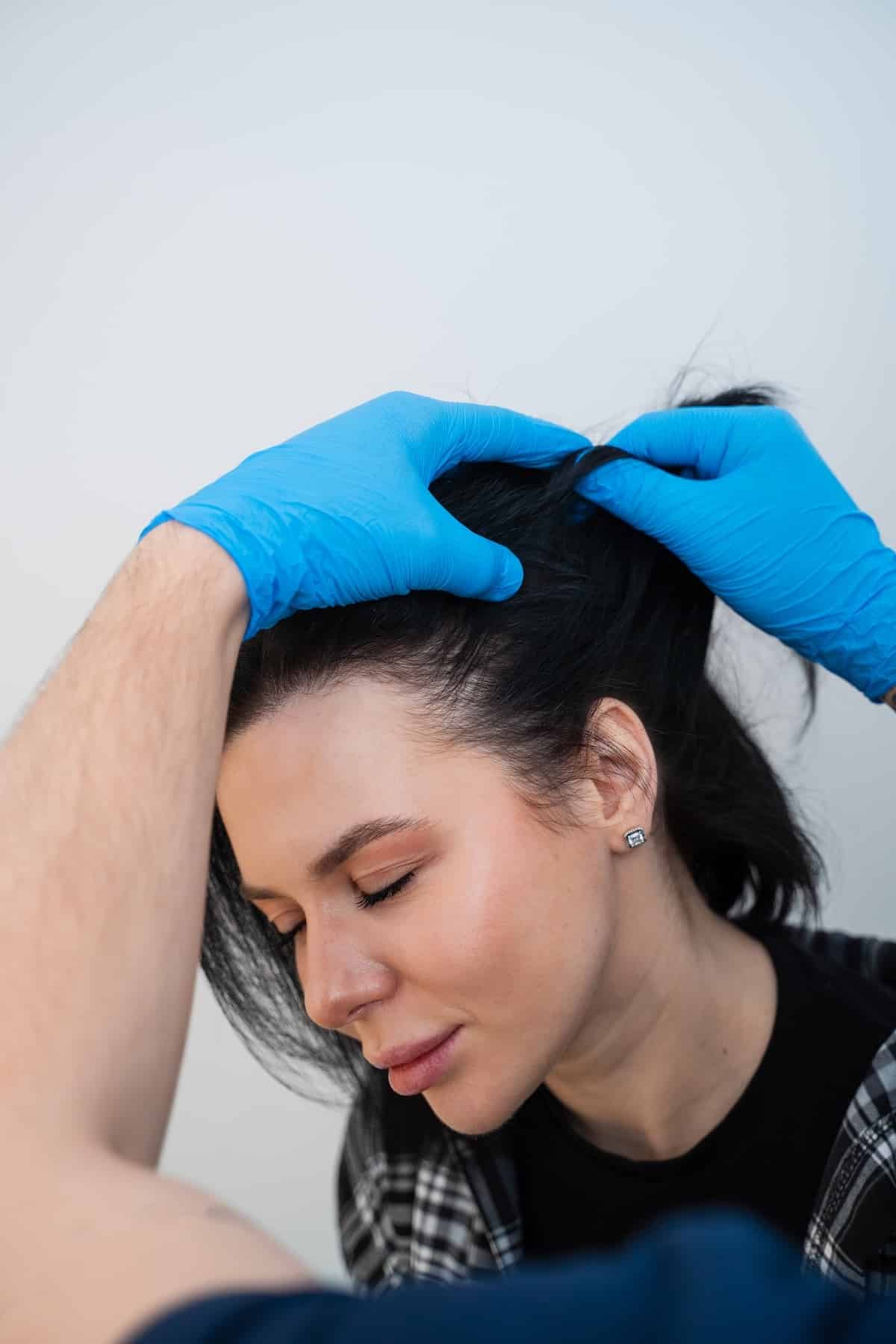
Not every patient with hair loss needs labs. When your history or exam suggests a nutritional, hormonal, or systemic contributor, targeted testing helps identify treatable causes. Nutrition guidance focuses on adequate protein and correcting confirmed deficiencies, since more is not always better with supplements.
- Common panel when indicated: CBC, ferritin and iron studies, TSH, vitamin D, B12, and others as appropriate
- Higher-risk patients: rapid weight loss or GLP-1 use, postpartum, heavy menstrual bleeding, vegetarian or vegan diets
- Approach: replace only documented deficiencies; avoid excess intake that can worsen shedding
NeoGraft FUE Hair Transplant
Surgical follicular unit extraction for advanced loss
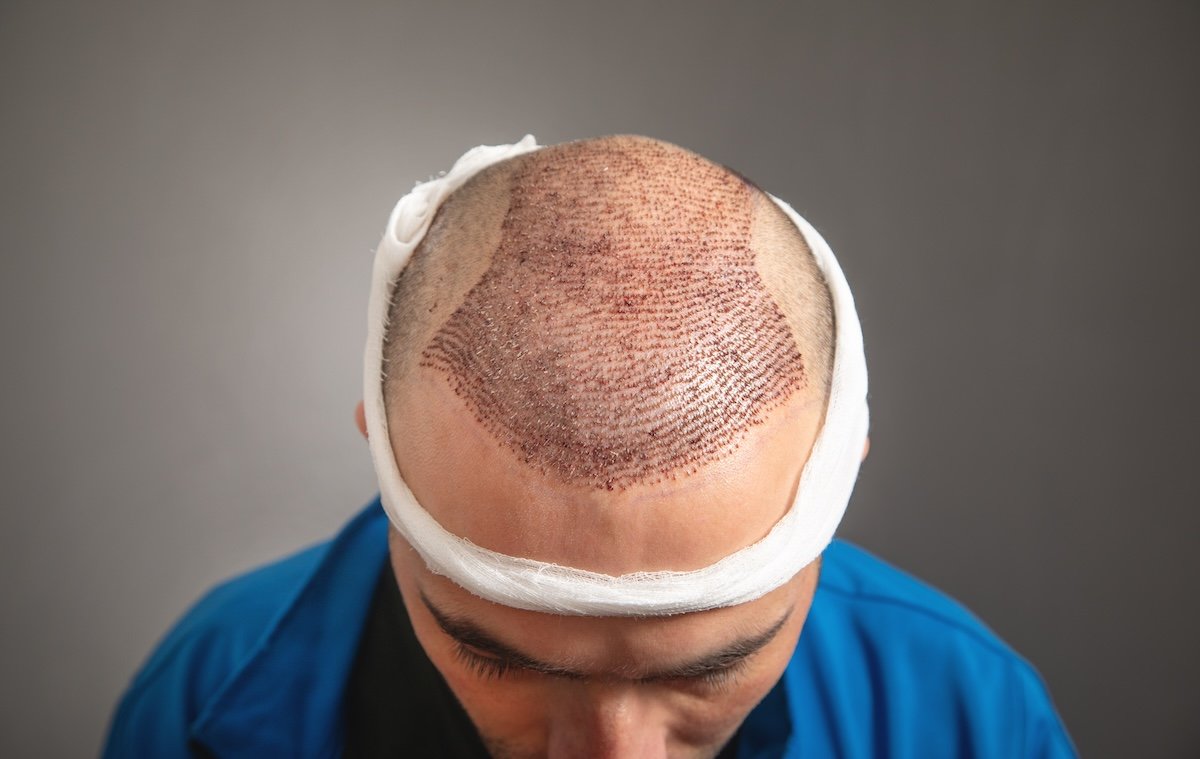
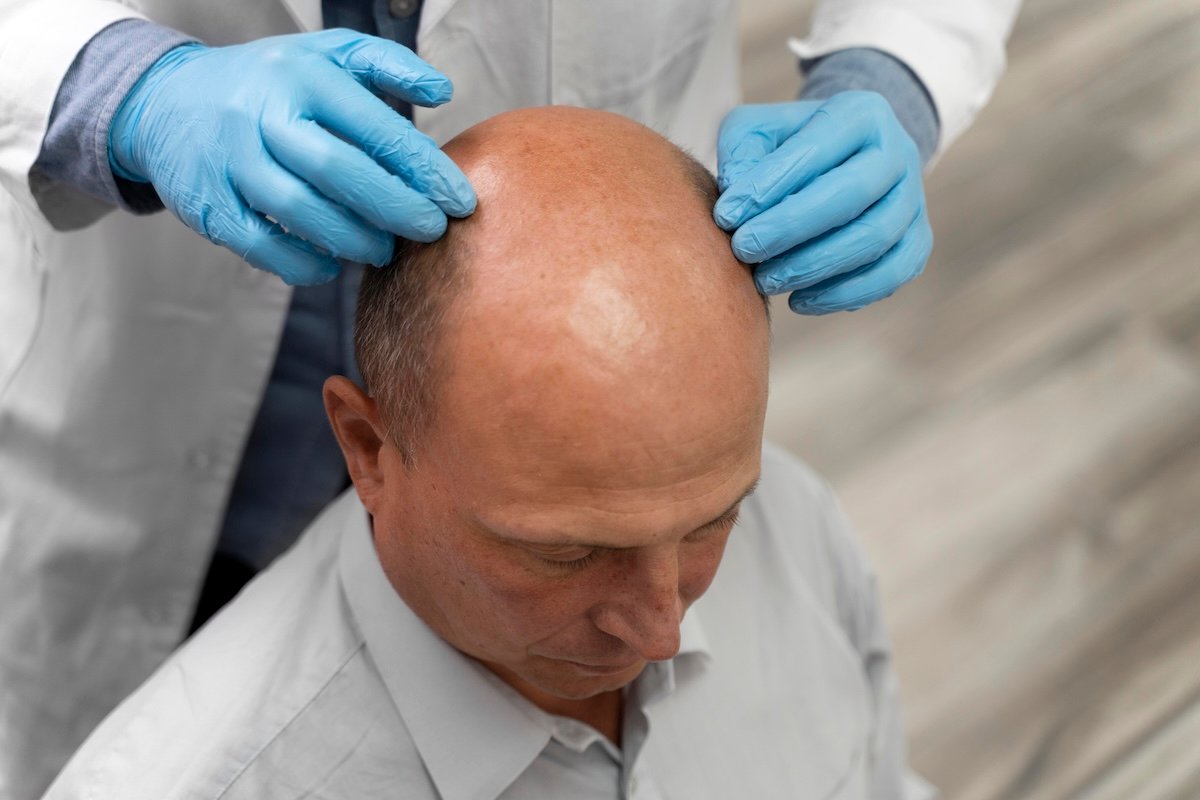
NeoGraft FUE moves healthy follicles from a donor area, usually the back of the scalp, into thinning or bald areas, with no linear scar. It is the right option when there are not enough viable follicles in the target area for non-surgical treatment alone to create meaningful coverage. Outcomes depend heavily on candidate selection, planning, and surgical design.
- Process: donor evaluation, hairline design and graft estimate, the FUE procedure, then healing follow-up
- Candidacy: requires adequate donor hair and a surgical candidacy screening; not all patients qualify
- Long-term plan: transplanted hair can be long-lasting, while native hair may continue to thin, so maintenance matters