
What Is a Hair Pull Test? A Simple Way to Check Hair Loss

Hair shedding is normal, but excessive shedding may signal an underlying problem. One of the quickest ways healthcare providers assess active hair loss is with a hair pull test. This simple examination helps determine whether you are losing more hair than expected and whether additional testing is needed. While the hair pull test cannot diagnose…


Blood Tests for Hair Loss: What Your Results Can Reveal

Hair loss can happen for many reasons. Genetics are common, but nutritional deficiencies, thyroid disorders, hormone changes, and another medical condition may also disrupt the hair growth cycle. Blood tests for hair loss can help identify hidden problems that may be contributing to hair loss. They cannot diagnose every type of hair loss, but they…

Hair Analysis vs Scalp Analysis: Which Detects Hair Loss Better?

Hair shedding, breakage, and thinning do not always begin for the same reason. Some problems start within the hair shaft, while others develop inside the scalp or follicle. This is why understanding hair analysis vs scalp analysis is important before choosing a treatment. A hair analysis studies the condition of the visible hair strands. A…

What Is Digital Scalp Imaging? A Hair Loss Diagnosis Guide

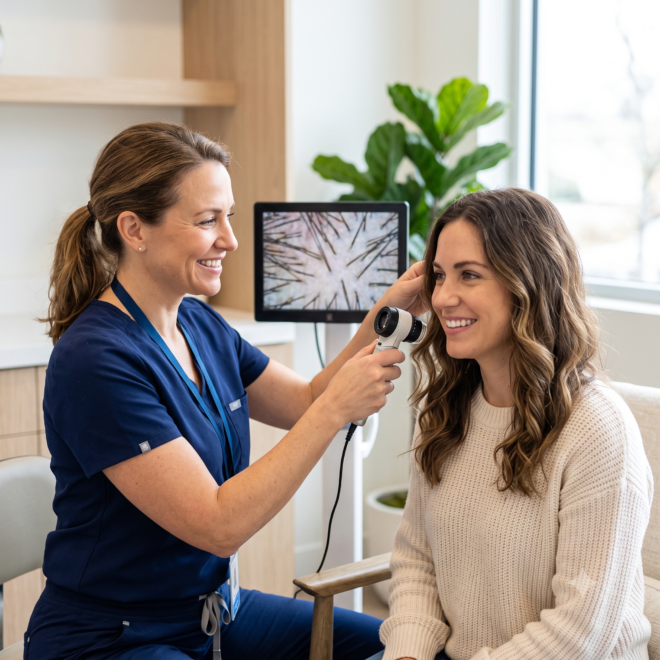
Hair loss can look simple from the outside. You may see more hair in the shower, a widening part, or reduced volume around the crown. But these visible changes do not always explain why the problem is happening. Digital scalp imaging allows a provider to examine the scalp, follicles, and hair shafts under magnification. It…