

Best Foods for Hair Growth Backed by Science
Healthy hair does not come from one “miracle” food. Hair follicles are active structures that need protein, energy, iron, zinc, vitamins, and other nutrients to grow normally. When your diet is too restrictive or a deficiency develops, shedding and thinning may become more noticeable.
The best foods for hair growth support your body’s overall nutritional needs. However, food cannot reverse every form of hair loss. Genetic thinning, hormonal changes, autoimmune conditions, and scalp disease may still require professional hair loss treatment.
At PURE Medical Spa, the PURE Hair ReGrow approach begins with diagnosis. Nutrition is reviewed as one part of a complete hair and scalp plan—not as a replacement for medical care.
Book your FREE Hair Growth Consultation today.
Can Food Really Help Hair Grow?
Food supports the biological work taking place inside the follicle. Hair-producing cells divide quickly, especially during the active growth phase. This process requires a steady supply of calories, amino acids, vitamins, and minerals.
Research has linked deficiencies in protein, iron, vitamin D, zinc, and several B vitamins with certain types of shedding and poor hair quality. However, taking extra nutrients when you are not deficient does not necessarily increase hair growth.
A healthy hair diet is most useful when it corrects or prevents nutritional deficiencies.
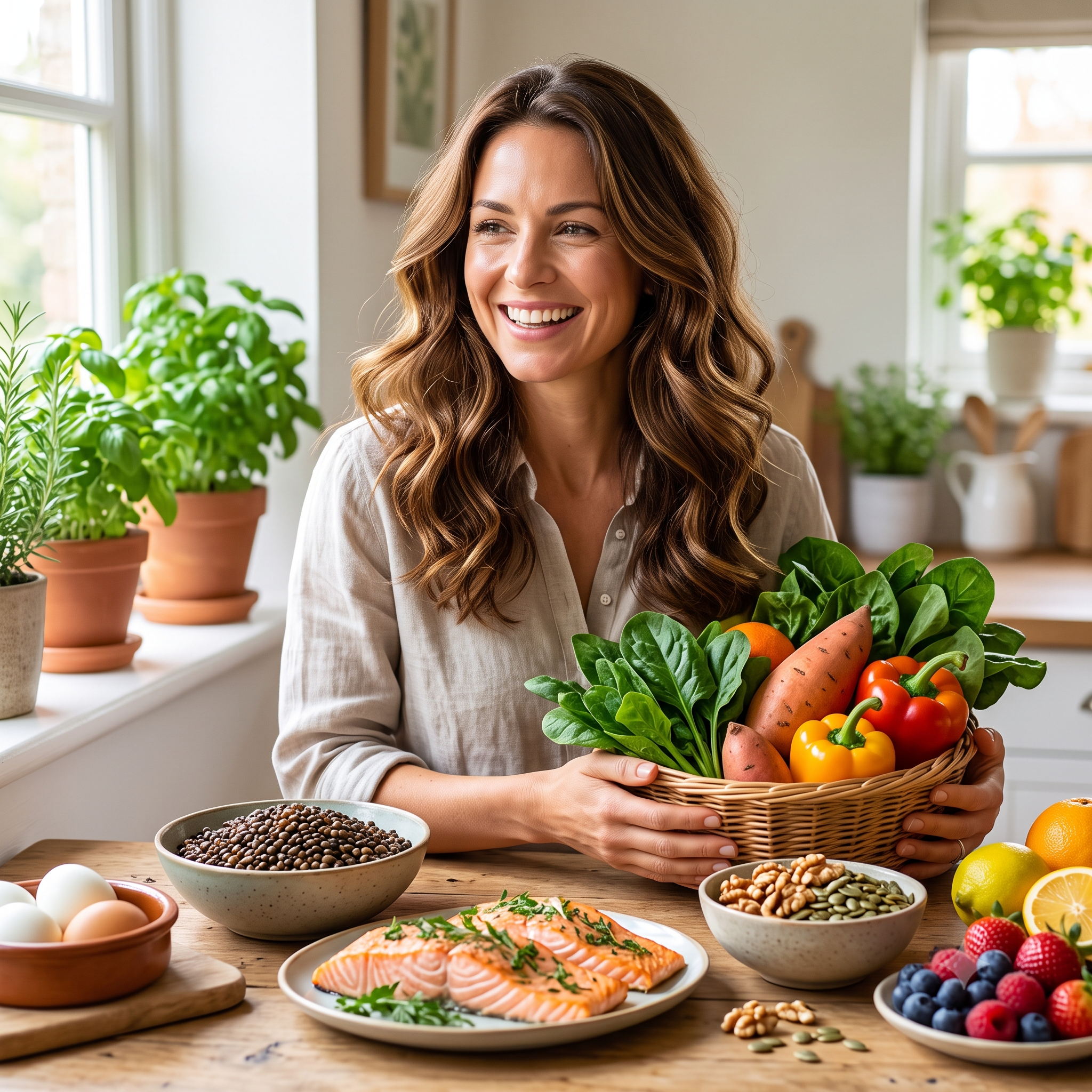
1. Eggs for Protein and Biotin
Eggs provide complete protein and contain biotin, vitamin B12, selenium, and other nutrients.
Protein matters because the visible hair shaft is made primarily of keratin. Inadequate protein intake can contribute to increased shedding.
Simple ways to eat them:
- Boiled eggs for breakfast
- Vegetable omelets
- Whole-grain toast with eggs and fruit
2. Lentils, Beans, and Chickpeas
Lentils, beans, and chickpeas provide protein, iron, zinc, folate, and complex carbohydrates.
Pair plant-based iron with vitamin C-rich foods to improve absorption.
Examples include:
- Lentils with tomatoes or bell peppers
- Chickpeas with lemon juice
- Black beans with salsa
- Spinach and lentil soup
3. Iron-Rich Foods
Iron deficiency is one of the most common nutritional causes associated with increased hair shedding.
Iron-rich foods include:
- Lentils
- Beans
- Tofu
- Spinach
- Pumpkin seeds
- Fortified cereals
- Lean meat (when included in the diet)
Iron supplements should only be started after appropriate medical evaluation.
4. Greek Yogurt and Dairy Foods
Greek yogurt provides protein, vitamin B12, and often vitamin D.
Choose plain yogurt whenever possible and add berries, nuts, or seeds for additional nutrients.
Vegetarian alternatives include fortified soy yogurt or high-protein plant-based products.
5. Fatty Fish
Salmon, sardines, trout, and other fatty fish provide protein, vitamin D, vitamin B12, and omega-3 fatty acids.
Vegetarian omega-3 sources include:
- Chia seeds
- Flaxseeds
- Walnuts
- Hemp seeds
6. Nuts and Seeds
Nuts and seeds provide healthy fats, protein, zinc, selenium, vitamin E, and other nutrients.
Good options include:
- Almonds
- Walnuts
- Pumpkin seeds
- Sunflower seeds
- Chia seeds
- Flaxseeds
Avoid excessive selenium supplements unless recommended by your healthcare provider.
7. Leafy Green Vegetables
Spinach, kale, collard greens, and other leafy vegetables provide folate, vitamin C, antioxidants, and plant-based iron.
Pair leafy greens with citrus fruits, tomatoes, strawberries, or peppers to improve iron absorption.
8. Berries, Citrus, and Peppers
Berries, oranges, kiwi, tomatoes, and bell peppers are rich in vitamin C.
Examples include:
- Lentil salad with bell peppers
- Oatmeal with strawberries
- Chickpea salad with lemon
- Spinach with orange slices
9. Sweet Potatoes and Orange Vegetables
Sweet potatoes, carrots, and pumpkin provide beta-carotene, which the body converts into vitamin A.
Choose natural food sources instead of high-dose vitamin A supplements unless recommended by your provider.
10. Tofu, Tempeh, and Soy Foods
Tofu, tempeh, edamame, and fortified soy milk provide protein, iron, and other important nutrients.
A balanced meal might include tofu, brown rice, vegetables, and sesame seeds.
Foods That Help Stop Hair Loss: What Is Realistic?
Many patients search for foods that help stop hair loss, but no food can stop every cause of thinning.
Diet may help when hair loss is related to:
- Low iron
- Low protein intake
- Vitamin D deficiency
- Vitamin B12 deficiency
- Zinc deficiency
- Severe calorie restriction
- Rapid weight loss
Diet alone is less likely to reverse:
- Male or female pattern hair loss
- Scarring alopecia
- Alopecia areata
- Advanced follicle miniaturization
- Hair loss caused by certain medications
The best foods for hair growth support healthy follicles—but they should not replace a proper diagnosis.
Build a Hair Growth Routine That Supports Healthy Hair
- A dermatologist-guided hair care plan begins by identifying the underlying cause of hair loss.
- Effective treatment combines proper nutrition, adequate protein, vitamins, minerals, and physician-guided therapies when appropriate.
- Biotin supplements may help some individuals with deficiencies, but they are not a universal solution.
- The best treatment depends on the diagnosis, and physician-guided care helps improve outcomes when multiple factors contribute to hair loss.
What Vitamins Help Hair Grow Faster?
There is no vitamin proven to dramatically speed up hair growth when no deficiency exists.
Important nutrients include:
- Vitamin D
- Vitamin B12
- Folate
- Biotin
- Vitamin C
- Iron
- Zinc
The best approach is to test for deficiencies before starting supplements.
Can Diet Strengthen Thinning Hair?
A nutrient-rich diet can help strengthen hair when nutritional deficiencies are contributing to thinning.
Important nutrients include:
- Complete protein
- Iron
- Zinc
- Vitamin D
- Vitamin B12
- Vitamin C
- Healthy fats
- Adequate calories
However, thinning caused by genetics often requires physician-guided treatment in addition to healthy nutrition.
PURE Hair ReGrow: Nutrition Plus Diagnosis
The PURE Hair ReGrow program evaluates the complete picture.
Your consultation may include:
- Eating patterns
- Recent weight changes
- Vegetarian or restricted diets
- Medical history
- Hair-loss pattern
- Scalp health
- Possible laboratory testing
- Current supplements
- Previous treatments
Based on your evaluation, recommendations may include scalp care, PRP, regenerative therapy, medication guidance, nutrition counseling, or other treatment options.
Book a Hair Growth Consultation
If your hair is shedding, thinning, or growing more slowly, do not rely only on diet changes.
Call/Text: 312.312.7873
Or book your FREE complimentary telehealth hair consultation online to discuss your concerns with the PURE team.
Learn more about PURE Hair ReGrow and Hair Restoration Chicago.
Frequently Asked Questions
What are the best foods for hair growth backed by science?
Protein-rich foods, iron-rich foods, leafy vegetables, legumes, eggs, nuts, seeds, fish, and fortified foods support healthy hair growth.
Which foods help stop hair loss?
Foods may help when hair loss is related to nutritional deficiencies, but they cannot stop every medical or genetic cause.
What vitamins help hair grow faster?
Vitamins improve growth primarily when a nutritional deficiency exists. Testing is more useful than guessing.
What is the best diet for healthy hair growth?
A balanced diet containing adequate protein, iron, vegetables, fruits, healthy fats, and calories is best for supporting healthy hair.
Which foods strengthen thinning hair?
Protein-rich foods, legumes, eggs, tofu, nuts, seeds, leafy greens, and vitamin C-rich produce help support stronger hair.
Research & Medical Sources
- Dermatology Review – Diet and Hair Loss
- Review – Vitamins and Minerals in Hair Loss
- American Academy of Dermatology – Hair Loss Nutrition Tips
- Systematic Review – Biotin for Hair Loss
- Review – Nutrition, Food Supplements, and Hair Health
- Clinical Review – Nutritional Treatment and Healthy Hair
Food supports healthy follicles, but results depend on the underlying cause of hair loss. Supplements and medical treatments should always be selected with professional guidance.