

Botox around the eyes is a wonderful way to soften crow’s feet and look more rested. For most people the eyes feel completely normal afterward, but in some people treatment can cause or worsen dryness, especially if the eyes were already a little sensitive.
The good news is that a simple conversation before treatment goes a long way. At PURE Medical Spa, our injectors ask about your eye comfort before any eye area Botox so your plan fits your eyes as well as your goals.
Key Takeaways
- ✓Botox near the eyes can affect blinking and eyelid closure, which may lead to dryness in some people.
- ✓Existing dry eye does not automatically rule out treatment, but it should be discussed first.
- ✓New burning, grittiness or blurry vision after treatment should be reported, not ignored.
- ✓Want a plan that protects your comfort? Book a consultation with our injectors.
How Botox Can Affect Your Eyes
Botox temporarily relaxes selected muscles. Around the outer corners of the eyes, that softens the lines that appear when you smile. The muscle that surrounds the eye also helps you blink and close your lids, so if its action changes, tears may not spread as evenly and more moisture can evaporate.
The Botox Cosmetic prescribing information lists dry eye among the possible effects of injections near this muscle, and research in cosmetic dermatology describes how eyelid changes after botulinum toxin can contribute to dryness.
Symptoms to Watch For
- ✓Burning or stinging.
- ✓A gritty, sandy feeling.
- ✓Redness.
- ✓Blurry vision that clears with blinking.
- ✓Sensitivity to light.
If any of these start after treatment, tell your injector when they began and whether they affect reading, driving or contact lens wear.
PURE MEDICAL SPA CHICAGO
Brighter Eyes, Comfortably
We plan crow’s feet treatment around your eye health and your goals.
Who Should Mention Dry Eye First?
Anyone considering Botox for wrinkles around the eyes should share any eye discomfort, even if it seems minor. Be sure to mention:
- ✓A previous dry eye diagnosis.
- ✓Past eyelid or laser eye surgery.
- ✓Difficulty closing your eyes fully.
- ✓Contact lens discomfort.
- ✓Eye drops and other medicines you use.
- ✓Any eye symptoms after earlier injections.
Details help. “My eyes burn after a day at the computer” tells your injector much more than “my eyes are usually fine.” Your injector may suggest an eye examination before going ahead.
The Results You Can Look Forward To
For suitable adults, Botox for crow’s feet softens moderate to severe smile lines for a fresher, brighter look, and it can also soften forehead and frown lines. Learn why crow’s feet look different when you smile, and how natural brow position shapes your Botox plan.
Careful Planning Makes a Difference
Thoughtful assessment and precise placement matter, though no technique can promise dryness will never happen. Before eye area treatment, ask:
- ✓Are my current symptoms a reason to wait?
- ✓Should an eye doctor see me first?
- ✓Which changes should I report afterward?
- ✓Who do I contact if symptoms develop?
Mention any past problems before repeat appointments too, since a plan that suited you before may need adjusting.
What to Do If Dryness Develops
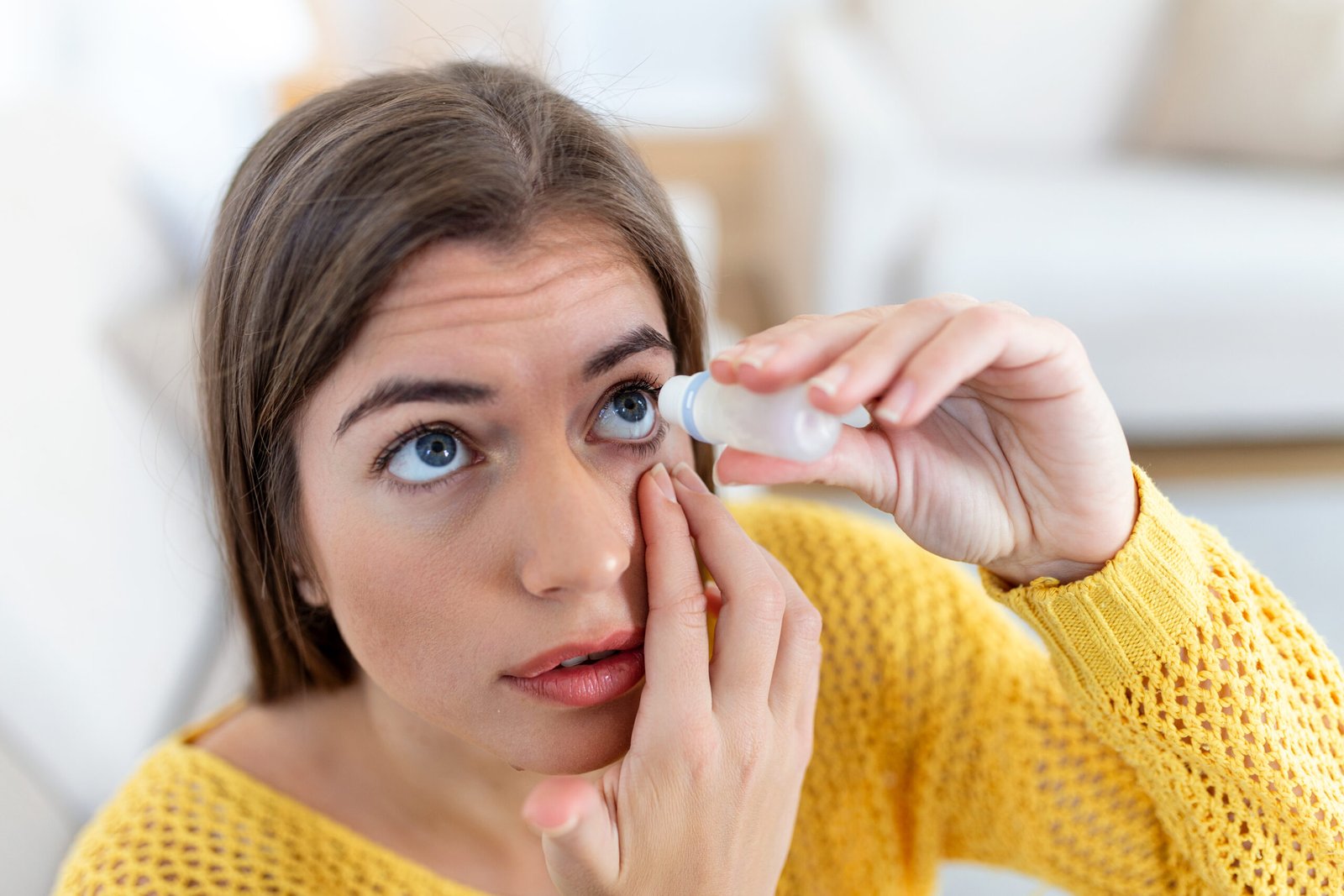
Contact your clinic and arrange eye care if symptoms persist or worsen. The National Eye Institute lists artificial tears as a common first step for mild dry eye, so ask which drops suit you, especially if you wear contact lenses. Taking screen breaks, avoiding fans or air vents blowing on your face and using a humidifier in dry rooms can also help. If your eyes hurt or your vision changes, do not wait for the Botox to wear off; get checked.
GOOD TO KNOW
Blink fully and take regular breaks from screens.
Keep preservative free artificial tears handy if your eye doctor recommends them.
Book your treatment when you can rest your eyes for a day or two afterward.
Visit PURE Medical Spa Across Chicagoland
PURE Medical Spa welcomes you at five convenient clinics in Chicago and the suburbs. Ask our team which location offers Botox and pick the visit that fits your schedule.
PURE Medical Spa Gold Coast (N. Dearborn), Chicago
875 N Dearborn St, Suite 300, Chicago, IL 60610
Book OnlineCall or Text 312.312.7873Naperville 331.283.0440
Frequently Asked Questions
Can Botox make dry eyes worse?
It can in some people. Injections near the eyes may affect blinking or how fully the eyelids close, which lets tears evaporate faster. Mention any existing dryness before treatment.
Why are my eyes dry after Botox injections?
Changes in blinking can be one cause, but contact lenses, screen time, medicines and other eye conditions can also play a part. An eye examination helps find the cause.
How long do dry eyes last after Botox?
There is no fixed timeline. Symptoms linked to the treatment may ease as the muscle effect fades over the following months, but persistent dryness should be checked rather than waited out.
Can Botox for crow’s feet cause dry eyes?
Yes, dry eye is a recognized possible effect of injections near the muscle that surrounds the eye. Report new irritation or vision changes to your injector.
Is Botox safe if you already have dry eyes?
Existing dry eye does not automatically rule out treatment. Suitability depends on your symptoms, eyelid function and history, and some people are best seen by an eye doctor first.
BOOK YOUR VISIT
Look Rested, Feel Comfortable
Book a Botox consultation and tell us about your eye comfort.
Safety note: Do not receive Botox if you are allergic to its ingredients or have an infection at the injection site. Tell your injector about neuromuscular conditions, medicines, pregnancy and breastfeeding. Seek urgent eye care for significant eye pain, new vision changes or trouble closing an eye, and get emergency help for difficulty breathing, swallowing or speaking. This article is educational and does not replace a medical assessment.
References
- DailyMed, National Library of Medicine: BOTOX Cosmetic (onabotulinumtoxinA) prescribing information
- National Eye Institute: Dry eye: symptoms, causes and treatment
- National Library of Medicine: Dry eye after periocular botulinum toxin: research overview