


At home exfoliation tools can leave your skin feeling lovely and smooth. Used too close to a professional treatment, though, they can leave skin a little sensitive or irritated.
If you are planning professional microdermabrasion after at home device use, timing is only part of the picture. Your provider also wants to know how your skin reacted, which device you used and whether you also use retinol, acids or scrubs. At PURE Medical Spa, a quick conversation before your microdermabrasion lets us tailor the visit to how your skin feels today.
Key Takeaways
- ✓Tell your provider which home device you used, when and at what setting.
- ✓Redness, stinging, peeling or raw patches are signs to wait a little longer.
- ✓There is no universal waiting period; calm, intact skin is the goal.
- ✓Not sure if your skin is ready? Book a consultation and we will check.
How Professional Microdermabrasion Works
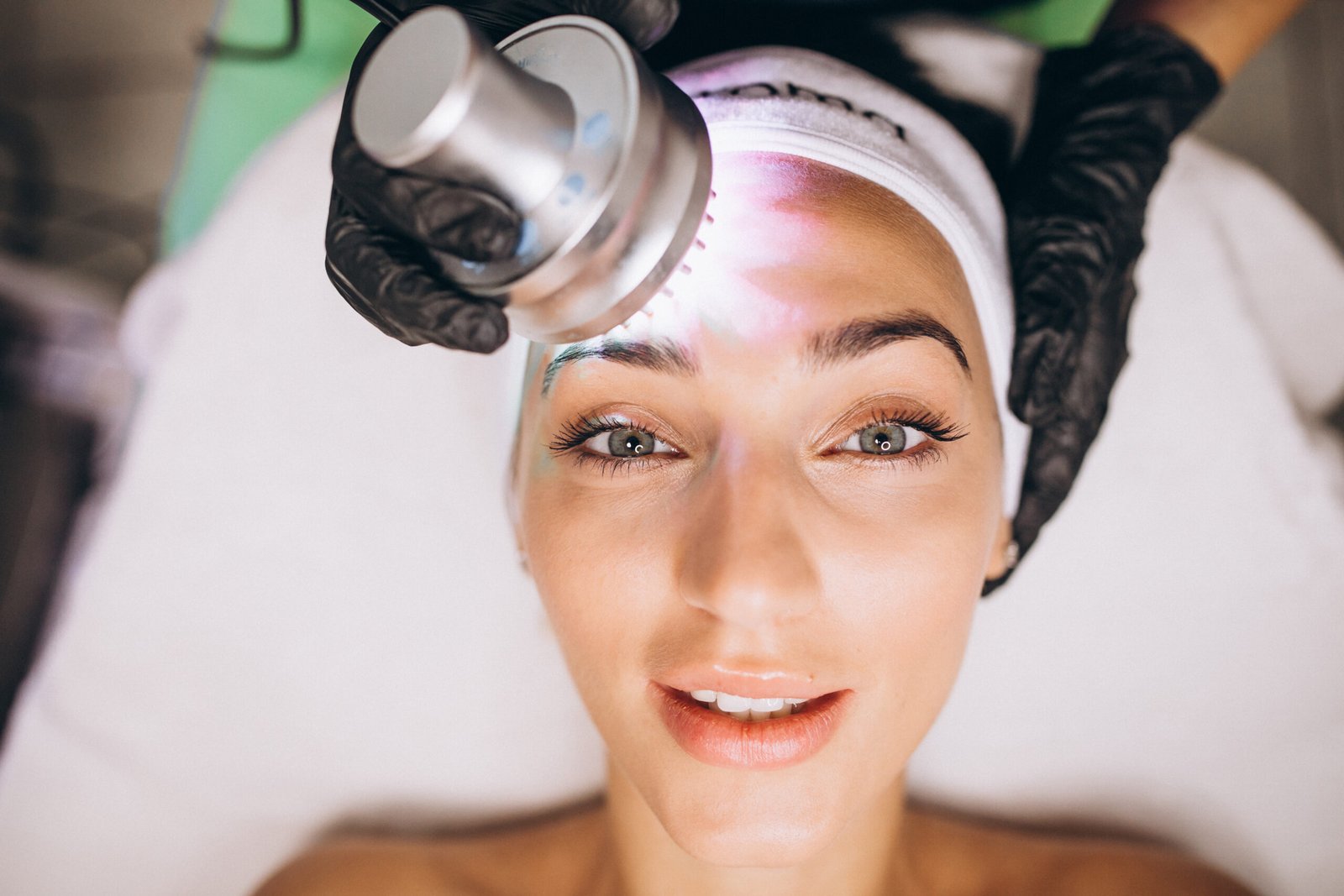
Professional microdermabrasion uses controlled abrasion, often with gentle suction, to exfoliate the outer surface of the skin. It removes dead skin cells and can improve texture and smoothness. It may be considered for:
- ✓Rough texture.
- ✓Dull looking skin.
- ✓Mild surface irregularities.
- ✓Superficial signs of sun related aging.
- ✓Selected acne related texture concerns.
Research shows that microdermabrasion can improve texture and support changes in the skin, although results vary from person to person. Every treatment should be planned around your skin type, condition and goals.
At Home vs Professional Microdermabrasion: What Is the Difference?
The difference is not only the device. Home tools are designed for consumer use and usually offer gentler exfoliation. A professional treatment lets a trained provider assess your skin and adjust the treatment to your sensitivity, texture and response. A 2026 dermatology review found that evidence for home devices varies widely and stressed the value of proper counseling and correct device use.
| Factor | At home device | Professional treatment |
|---|---|---|
| Skin assessment | None | Checked before every visit |
| Intensity | Fixed consumer settings | Adjusted to your skin and area |
| Guidance | Product leaflet | Personalized aftercare from your provider |
| Ideal for | Light upkeep between visits | Targeted texture and brightness goals |
What to Tell Your Provider First
Before your appointment, share these details:
- ✓Which device you used.
- ✓When you last used it.
- ✓How many passes you made.
- ✓The suction or intensity setting.
- ✓Whether you developed redness or burning.
- ✓Whether the skin peeled afterward.
- ✓Whether you used retinol, acids, another scrub or another exfoliating tool.
This helps your provider judge whether your skin barrier is calm enough for another exfoliating treatment. A similar check applies to shaving and blades, as explained in professional dermaplaning after face shaving.
PURE MEDICAL SPA CHICAGO
Exfoliation, Tailored to You
We adjust every microdermabrasion visit to how your skin feels today.
Signs Your Skin May Need More Time
Do not rely only on how your skin looks in the mirror. Skin may need more recovery time if you notice:
- ✓Persistent redness.
- ✓Burning or stinging.
- ✓Tenderness or unusual dryness.
- ✓Peeling or raw areas.
- ✓New sensitivity to your usual skincare.
- ✓Small cuts or abrasions.
If any of these are present, your treatment may simply move to a later date. Microdermabrasion gently stimulates skin renewal, and adding more exfoliation to already irritated skin can make it feel worse. Letting it settle first protects your results.
Is Microdermabrasion Suitable for Sensitive Skin?
It can be, with extra care. If your skin is red, sore or reactive, tell your provider before treatment. They may use a gentler setting, avoid sensitive areas or wait until your skin is calm again. Learn why gentler can be smarter in Does Stronger Suction Improve Microdermabrasion Results?
When to Postpone Professional Facial Exfoliation
Professional exfoliation should generally wait if the skin is injured, inflamed or unusually reactive. Mention recent use of retinoids, glycolic or salicylic acid, strong exfoliating cleansers, scrubs, chemical peels or other resurfacing devices. Dermatology research on skincare around minimally invasive procedures supports individualized routines with careful cleansing, moisturizing, active products and sunscreen.
Skincare Around Your Appointment
Keep your routine simple when your skin feels sensitive. For hydration, PURE often discusses SkinMedica HA5 Hydra Collagen; ask when it suits your treatment. For post procedure care, PURE features ALASTIN Regenerating Skin Nectar, and for daily protection, ALASTIN HydraTint Pro Mineral SPF 36. Our complete ALASTIN skincare routine explains how these fit together.
The Results You Can Look Forward To
When your skin is calm and ready, a professional treatment leaves skin smoother, brighter and refreshed, with little downtime for most people. See what to expect before and after microdermabrasion, and if dryness is your main concern, compare microdermabrasion vs a hydrating facial.
GOOD TO KNOW
Bring your home device name or a photo of its settings to your consultation.
Pause home exfoliation in the days before your visit unless your provider says otherwise.
Base your booking on how your skin feels now, not only on the calendar.
Visit PURE Medical Spa Across Chicagoland
PURE Medical Spa welcomes you at five convenient clinics in Chicago and the suburbs. Ask our team which location offers microdermabrasion and pick the visit that fits your schedule.
PURE Medical Spa Gold Coast (N. Dearborn), Chicago
875 N Dearborn St, Suite 300, Chicago, IL 60610
Book OnlineCall or Text 312.312.7873Naperville 331.283.0440
Frequently Asked Questions
Can you get professional microdermabrasion after at home use?
Yes, potentially. Your skin should be calm and intact before another exfoliating procedure.
How long should I wait after at home microdermabrasion?
There is no universal waiting period. Timing depends on device intensity, skin sensitivity and whether irritation is still present.
What should I tell my provider before microdermabrasion?
Tell them about your home device, recent exfoliation, retinol, acids, prescription skincare, sensitivity, peeling, redness and other recent procedures.
When should I postpone microdermabrasion after home treatment?
Postpone when the skin is red, sore, peeling, cut, inflamed or unusually sensitive.
Can at home microdermabrasion damage the skin barrier?
Overuse or aggressive exfoliation can irritate the skin and disrupt normal barrier function. Follow device instructions and stop if significant irritation develops.
BOOK YOUR VISIT
Smooth Skin, Planned Safely
Book a microdermabrasion consultation and bring your home device details.
Safety note: Microdermabrasion may not be appropriate over active infection, open wounds, inflamed acne, sunburn or significantly irritated skin. Seek medical advice for severe pain, blistering, spreading redness, drainage, major swelling or symptoms that keep getting worse. This article is educational and does not replace a medical assessment.
References
- National Library of Medicine: Karimipour DJ, et al. Microdermabrasion: an evidence based review. Plastic and Reconstructive Surgery
- National Library of Medicine: Nikolis A, et al. Dermo-cosmetic skin care in aesthetic procedures: systematic review
- U.S. Food and Drug Administration: Using cosmetics safely